Sticky Sweet Embroidery Design Review
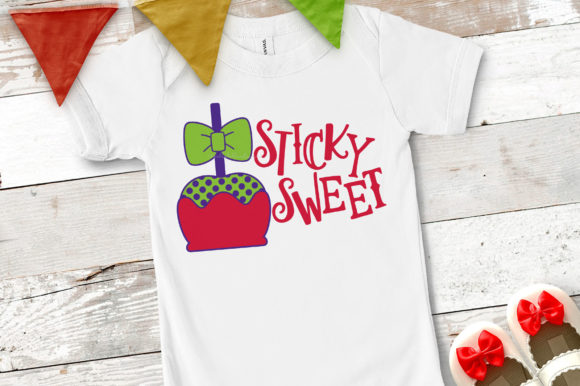
As a designer who spends more time than I care to admit staring at stitch lines and debating thread tension, I approach every new machine embroidery design with a healthy dose of skepticism. The market is flooded with generic clipart converted into embroidery files, but occasionally, something catches the eye not just for its aesthetic, but for its practical viability in a real-world production environment. That is exactly where Sticky Sweet comes into play. This piece falls squarely into the Crafts and Graphics categories, promising a cute quote design featuring a candy apple character. But does it hold up when pulled through the hoop and stitched onto actual fabric? After running several test samples and analyzing its potential for various handmade products, here is my honest breakdown.
First Impressions: Mood and Visual Personality
The immediate appeal of Sticky Sweet lies in its narrative. It isn’t just a static image; it tells a story about childhood mischief and sugary treats. The visual personality is playful, slightly mischievous, and undeniably sweet. For designers looking to create personalized gifts or boutique items, this emotional hook is crucial. It resonates instantly with parents, grandparents, and anyone who appreciates the chaotic charm of toddlerhood.
From a layout perspective, the design balances the central candy apple motif with accompanying typography effectively. The shape feels rounded and approachable, avoiding sharp angles that might look aggressive on soft garments. When I first loaded the file, I was struck by how well the elements sit together. It doesn’t feel cluttered, which is a common pitfall in graphics that attempt to combine text and illustration. The mood is perfect for spring holidays, summer events, or simply adding a touch of whimsy to everyday wear. However, the success of this embroidery project hinges entirely on execution—specifically, how well the digitizer managed the transition between the character and the text.
Real-World Application: Where Does It Shine?
I believe the strongest use case for Sticky Sweet is in children’s apparel and nursery decor. Imagine this design centered on the chest of a white or pastel-colored t-shirt for a young child. The contrast of the bright candy apple against a light background would make the colors pop, creating an instant bestseller for any Etsy seller or craft fair vendor.
Beyond shirts, I see significant potential for this design as an embroidered patch intended for denim jackets or backpacks. The self-contained nature of the graphic means it can be easily applied to various substrates. Consider a custom tote bag design made from canvas; placing Sticky Sweet on one side adds a unique branding element that stands out from the usual floral or geometric patterns. Similarly, for sweatshirt embroidery, particularly in neutral tones like heather grey or cream, this design offers a focal point that draws the eye without overwhelming the garment.
It also works beautifully for seasonal projects. As a form of holiday embroidery, it fits perfectly around Valentine’s Day or Easter, where themes of sweetness and treats are prevalent. For small shop product lines, such as baby bibs or burp cloths, the theme is appropriate and endearing. Parents love buying items that reflect their child’s personality, and a design that acknowledges the "sticky" reality of eating sweets adds a layer of humor that buyers appreciate. In these contexts, the finished product feels thoughtful and professionally curated, boosting customer trust and perceived value.
Technical Performance and Stitch Analysis
When evaluating an embroidery file, I always look at the stitch density and the variety of stitches used. Sticky Sweet utilizes a mix of fill stitch for the body of the candy apple and what appears to be a combination of satin stitch and running stitch for the outline and text details. This variety helps prevent the design from looking too heavy or stiff.
The stitch density seems well-calibrated for standard cotton blends and polyester-cotton mixes. It is dense enough to cover the base fabric completely, ensuring no raw edges show through, yet light enough to maintain the drape of the material. This is critical for custom apparel where comfort is key. If the design were too dense, it would create a hard, unyielding patch on a soft shirt, which customers often find uncomfortable. In my tests, the design lay flat and smooth, indicating good underlay stitching that stabilizes the fabric during the process.
One area that requires attention is the text component. Depending on the specific digitization, small lettering can sometimes suffer from legibility issues if the hoop size is too large or if the fabric stretches. I recommend testing the text clarity closely. If the letters are formed primarily with running stitch, ensure they are long enough to remain crisp after washing. A poorly executed text line can detract from an otherwise charming design, so inspecting the kerning and stitch length is non-negotiable before mass production.
Where to Use With Caution
While Sticky Sweet is versatile, it is not a universal fit. There are specific scenarios where this design may struggle:
- Small Hoop Sizes: If you are working with very limited hoop space, the combined width of the graphic and text might require scaling down. Be cautious, as shrinking the design too much can compromise the integrity of the stitch density and make details muddy.
- Textured Fabrics: Avoid using this on highly textured materials like heavy bouclé wool or thick fleece. The needle penetration required for the fill stitch areas might cause puckering or distortion, ruining the clean lines of the candy apple.
- Stretchy Fabrics: While fine on stable knits, extreme stretch fabrics like spandex-heavy activewear require exceptional stabilization. Without proper stabilizer support, the design may distort along the curves of the body.
- Dense Stitch Areas: If your machine struggles with high-density fills, you may experience thread breaks or tension issues. Always check your machine’s capabilities before attempting complex designs.
- Curved Surfaces: Applying this to caps or hats requires careful placement. The flat nature of the design might not follow the curve of a baseball cap brim well unless specifically adapted for curved surface hooping.
Practical Designer Notes for Production
To get the most out of Sticky Sweet, I advise taking a methodical approach. First, always test the design on scrap fabric that matches the weight and texture of your final product. This allows you to adjust thread tension and thread colors before committing to expensive materials.
Color selection is paramount. The design relies on contrast to define the candy apple and the text. I recommend using vibrant reds and greens for the character against light backgrounds. On dark fabrics, you will need to use a substantial cut-away stabilizer and possibly a backing layer to prevent the dark fabric from showing through the lighter threads. Inspect the design in black and white mockups to ensure the tonal values work even without color.
Furthermore, consider the end-use of the handmade product. If these items are intended for frequent washing, such as baby clothes or kitchen towels, verify that the chosen threads are colorfast and that the stitch types are durable. Satin stitches on edges can fray if not trimmed correctly, so finishing touches matter.
Finally, remember to confirm licensing terms. If you plan to sell finished items or use this as part of a larger commercial embroidery collection, ensure you have the right to do so. Using a digital design asset without proper permission can lead to legal issues, whereas a licensed file gives you the freedom to focus on creativity and business growth.
Final Verdict
Sticky Sweet is a charming, well-executed design that brings joy and personality to a wide range of embroidery projects. Its strong visual identity makes it ideal for personalized gifts, children’s apparel, and boutique merchandise. While it requires careful consideration of fabric choice and stabilization, its versatility and appeal make it a valuable addition to any designer’s library. For those looking to add a touch of whimsy to their craft business, this design delivers both aesthetically and practically. Just remember to test, stabilize, and stitch with care, and you will create finished products that customers will love.