Flower Wreaths Embroidery Design Review
As a designer who spends more time looking at stitch density charts than actual flowers, I approach every new digital asset with a mix of hope and skepticism. We have all bought embroidery files that looked beautiful in the preview but turned into a tangled mess on the hoop. Today, I am putting Flower Wreaths through its paces to see if it holds up in real-world application. This is not just about how it looks on a screen; it is about how it translates to thread, fabric, and ultimately, customer satisfaction.
First Impressions: Mood and Visual Personality
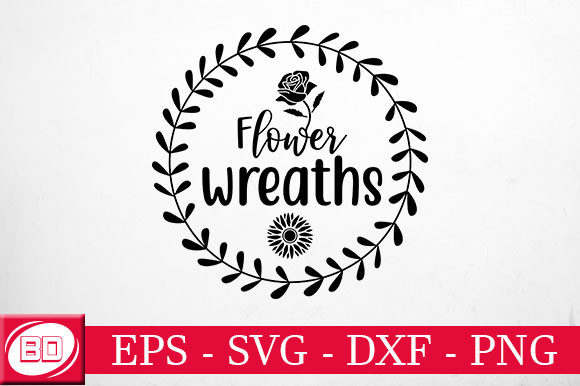
The first thing you notice when opening the design file is the natural flow of the composition. The name suggests a circular arrangement, and true to form, Flower Wreaths creates a soft, inviting frame. It does not scream for attention like a bold graphic tee logo; instead, it whispers elegance. This makes it incredibly versatile. The visual personality leans toward rustic charm mixed with modern simplicity. It feels organic, which is exactly what consumers are gravitating toward right now in the handmade market.
From a layout perspective, the wreath shape provides a balanced focal point. It is neither too dense nor too sparse. For designers, this balance is crucial because it allows room for personalization without overwhelming the garment. Whether you are adding a name below the wreath or placing it centrally on a chest pocket, the design accommodates these choices gracefully. It creates a mood of warmth and care, which is essential for products intended as gifts or boutique items.
Real-World Application: From Screen to Stitch
I decided to test Flower Wreaths on a project that mimics a typical high-demand Etsy listing: a custom embroidered tote bag for a local bakery or a personalized gift set. The versatility of receiving multiple formats—EPS Files, SVG Files, PNG Files, and DXF Files—means this design can serve as both an embroidery pattern and a cutting template for applique work.
When stitching this out as a machine embroidery design, the performance was surprisingly stable. The outer edges of the wreath hold their shape well, even on slightly textured cotton canvas. However, the interior details require careful attention. If you are using this for sweatshirt embroidery or thick hoodies, the design sits beautifully against the bulky fabric, providing a nice contrast between the soft textile and the structured threadwork. For aprons and kitchen towels, it adds a touch of farmhouse chic that elevates the perceived value of the item. Customers are willing to pay a premium for designs that look professionally finished, and Flower Wreaths delivers that polished look.
In terms of branding, this design works exceptionally well for small shop owners. Imagine a boutique selling wedding favors. A simple white pillow cover with Flower Wreaths stitched in muted pastels creates an immediate sense of occasion. It fits the narrative of a handmade product crafted with love. It also translates well to caps and hats, where a smaller, centered wreath can serve as a subtle yet stylish logo for a brand.
Where to Exercise Caution
No design is perfect for every surface. While Flower Wreaths is robust, there are specific scenarios where it might struggle. First, avoid using this on highly textured fabrics like heavy bouclé wool or rough burlap unless you are an experienced embroiderer. The intricate inner petals may get lost in the weave, resulting in a muddy appearance. Similarly, on stretchy knits, ensure you use adequate stabilizer to prevent puckering, which can distort the circular symmetry of the wreath.
Another critical area is scale. If you attempt to digitize or stitch this into a very small hoop size, you risk losing definition. The finer lines that give the flowers their character may merge together, turning the delicate petals into solid blobs of color. Always check the hoop size requirements before committing to a tiny accessory like a baby bib or a small embroidered patch. If the detail is too fine for the space, consider simplifying the design or using it as an applique base rather than pure stitching.
Dark fabrics present another challenge. If you plan to use light-colored threads on dark denim or black cotton, the contrast must be sharp. Test your thread colors carefully. Sometimes, a dark background can swallow lighter stitches, making the wreath look faint. Conversely, using metallic or bright threads on dark fabric can create a striking effect, but it requires precise tension settings to avoid thread breaks.
Technical Notes for the Savvy Designer
Before you upload this to your production queue, keep these practical tips in mind:
- Stitch Density Check: Review the internal stitch paths. High-density areas can cause bulkiness, especially on lightweight fabrics. You may need to adjust the underlay stitches to reduce stiffness.
- Color Contrast: Use a black-and-white mockup to verify that the shapes remain distinct. If the design relies on subtle shading, it may not read well in monochrome previews used by many online shoppers.
- Stabilizer Selection: Always match the stabilizer to the fabric weight. For tote bag design projects, a cut-away stabilizer is often best for longevity, ensuring the wreath doesn’t warp after repeated washing.
- Licensing Verification: Since this is a digital asset, confirm whether the license permits commercial use. Many craft business owners sell hundreds of units; ensure you are protected from copyright issues when offering this as part of a small shop product.
Impact on Product Value and Customer Trust
Using a well-executed design like Flower Wreaths directly influences buyer engagement. In the crowded marketplace of Etsy sellers and digital product sellers, professionalism stands out. A clean, symmetrical wreath signals that the maker cares about quality. It builds trust. When a customer sees a finished product that looks crisp and intentional, they are more likely to leave a positive review and return for future purchases.
Furthermore, the aesthetic of this design lends itself to giftability. It feels personal and thoughtful. Whether it ends up on a blanket, a nursery decor piece, or a holiday embroidery ornament, the wreath motif carries emotional weight. It suggests celebration, nature, and home. By choosing designs that resonate emotionally, you are not just selling a commodity; you are selling a feeling. This distinction is vital for creative entrepreneurs looking to build a loyal brand community.
Final Verdict
Flower Wreaths is a reliable, aesthetically pleasing addition to any design assets library. It bridges the gap between hobbyist charm and professional polish. Its multi-format availability makes it a smart investment for those who dabble in both applique design and traditional stitching. While it demands respect regarding fabric choice and scale, the payoff in terms of visual appeal and marketability is significant.
For embroidery designers and makers seeking to expand their catalog with timeless, versatile graphics, this design earns a strong recommendation. Just remember to test thoroughly, choose your threads wisely, and let the natural beauty of the wreath do the talking. It is a tool that, when used correctly, can elevate your embroidery project from a simple craft to a coveted keepsake.