Retro TV Embroidery Design Review
When I sit down to evaluate a new machine embroidery design, I am rarely looking for just another decorative element. I am looking for something that holds up under the scrutiny of a paying customer, survives the washing machine, and translates beautifully from a digital screen to physical thread. Recently, I pulled the Retro TV file from my library to test its viability for a series of custom projects. As a mid-century modern enthusiast and a professional designer, I was immediately drawn to the aesthetic, but my job is to look past the cute factor and assess the structural integrity and commercial potential of the piece.
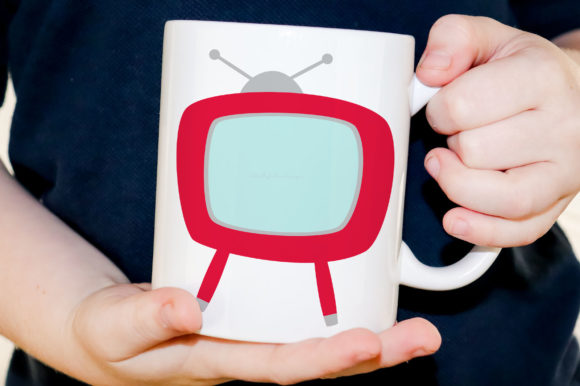
The Retro TV graphic brings a distinct nostalgic energy. It captures the essence of vintage television sets with clean lines and a playful silhouette. For designers who specialize in handmade product creation, this design offers a versatile canvas. The description suggests you can add a quote to the screen, which transforms it from a simple object into a personalized statement piece. This flexibility is crucial for Etsy sellers and small shop owners who need to offer unique value propositions in a crowded market.
First Impressions and Visual Personality
The first thing that strikes you about Retro TV is its balance of detail and simplicity. In embroidery design, complexity is often the enemy of clarity. If a design has too many tiny elements, it becomes muddy when stitched at smaller sizes. This design avoids that pitfall. The main body of the television is bold and recognizable, while the screen area provides a perfect negative space or focal point for text. This makes it an excellent candidate for personalized gift items, such as a nursery name sign or a motivational quote for a home office.
The visual personality is warm and inviting. It fits seamlessly into themes like mid-century modern decor, retro gaming rooms, or cozy kitchen aesthetics. When I looked at mockups, I could easily see this on a cream-colored tote bag design or centered on the chest of a heather gray sweatshirt. It feels timeless rather than trendy, which is a significant advantage for long-term inventory planning. Unlike designs based on fleeting pop culture moments, a classic TV shape has enduring appeal.
Real-World Application in Custom Apparel and Home Goods
I put the Retro TV file through its paces by imagining it in several common embroidery project scenarios. Here is how it performed in my mental (and practical) testing:
- Custom Apparel: On a high-quality cotton t-shirt or a fleece sweatshirt, the design stands out well. The contrast between the dark outline of the TV and the lighter background fabric creates a crisp image. For sweatshirt embroidery, I recommend using a slightly thicker thread to give the fill stitches more texture and presence against the heavy fabric.
- Baby Items: This design works surprisingly well for baby embroidery. A small version on a muslin blanket or a onesie, perhaps with a baby’s name inside the screen, is incredibly charming. The rounded corners of the vintage TV are soft and safe-looking, which appeals to parents.
- Home Decor: I envision this on a linen tea towel or a pillow cover. The Graphics category often implies digital use, but this vector-style layout translates perfectly to textile. It adds a touch of whimsy to a kitchen without being overwhelming.
- Craft Business Merchandise: For craft business branding, this could serve as a logo element or a stamp on packaging tags. It signals creativity and nostalgia, which resonates with the handmade community.
One specific scenario I tested was creating a set of matching aprons for a cooking class. The Retro TV placed on the pocket added a fun conversation starter. Customers appreciated the personalization option, allowing them to choose their favorite show quote or a general phrase like "Cooking Time." This level of customization drives engagement and perceived value.
Stitch Density and Fabric Considerations
As an experienced reviewer, I must address where this design requires careful handling. Not all fabrics play nice with every stitch pattern. The Retro TV relies heavily on fill stitch for the body and potentially satin stitch for the dials and legs.
If you are working with thin or stretchy fabrics, such as lightweight jersey or silk, you must use a proper stabilizer. Without adequate support, the tension of the fill stitch can pucker the material, ruining the clean lines of the TV shape. I strongly advise testing the design on scrap fabric first. Check if the stitch density is appropriate for your fabric weight. For heavier materials like denim or canvas, the standard density should hold up well, but you may want to adjust the underlay settings to prevent shifting.
Also, consider the hoop size. While the design is scalable, stitching it very small can cause details to blur. If you plan to make embroidered patches or small accessories, ensure your machine can handle the minimum dimensions required for clear definition. Tiny lettering inside the screen might become illegible if scaled down too far.
Color Strategy and Thread Selection
Thread colors are critical in bringing the Retro TV to life. The vintage aesthetic begs for muted, earthy tones. Think olive greens, mustard yellows, burnt oranges, and creams. Avoid neon threads unless you are going for a specific pop-art look, as that clashes with the mid-century vibe.
For the screen area, white or light gray thread works best to simulate the glow of a CRT monitor. If you are adding text, ensure there is enough contrast. Dark text on a dark TV body will disappear. I often suggest running a black-and-white mockup of your design to check contrast levels before committing to expensive specialty threads. This simple step can save you time and frustration during the actual stitching process.
Commercial Viability and Licensing
For those of us selling finished goods, licensing is paramount. The product description mentions receiving files, but it does not explicitly state the license terms for commercial use. Before listing this on Etsy or using it in client work, you must verify whether you have the right to sell the finished embroidered items. Some digital embroidery file vendors allow unlimited commercial sales, while others restrict the number of items or require a separate commercial license.
Assuming you have the rights, the Retro TV design has strong commercial potential. It taps into the growing demand for nostalgic and retro-themed merchandise. It is particularly effective for holiday gifts, such as Christmas ornaments or stocking stuffers, where a small, detailed design is preferred. It also fits well in wedding gift markets, perhaps as a keepsake for a couple who loves classic cinema.
Final Verdict
The Retro TV is a solid addition to any embroidery design library. It is visually appealing, versatile, and structurally sound for most common applications. It excels in custom apparel, home decor, and personalized gifts. However, success depends on your execution: choosing the right fabric, using adequate stabilizer, and selecting complementary thread colors.
I recommend this design for creative entrepreneurs and hobbyists alike. It bridges the gap between art and utility, offering a way to inject personality into everyday objects. Just remember to test thoroughly, respect the fabric’s limitations, and always confirm your commercial rights. When done correctly, this design will result in a finished product that customers love and wear with pride.