Licensed to Sell Embroidery Design Review
As a designer who spends more time than I care to admit staring at stitch density charts and testing thread tension, I approach every new embroidery file with a mix of optimism and skepticism. The market is flooded with clipart that looks great on screen but falls apart under the needle. That is why I decided to put "Licensed to Sell" through its paces. This design, categorized under Crafts and Graphics, promises a specific utility for realtors and small business owners, but does it hold up as a viable machine embroidery design for serious production?
First Impressions: Visual Personality and Layout
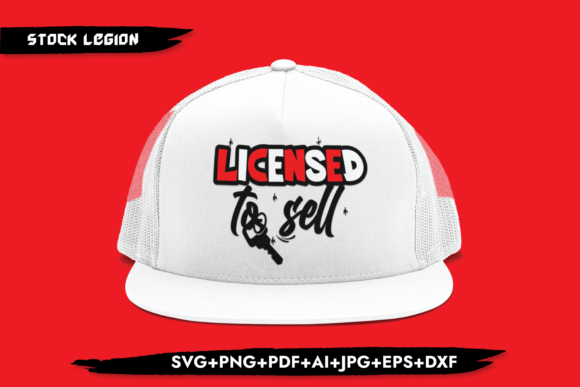
The moment I opened the ZIP file containing the smooth, professional assets, I was struck by the clarity of the layout. The inclusion of a 6×6 inch format immediately signals that this is designed for accessibility—most home machines can handle this hoop size without needing a large commercial unit. The design features the phrase "Licensed to Sell," which carries a bold, confident energy. It isn’t just decorative; it is declarative.
From a visual standpoint, the typography feels modern yet grounded. For an applique design or a direct-to-garment style stitch-out, the lettering needs to be legible from a distance. In my initial review of the SVG and PNG previews, the spacing between characters felt balanced, avoiding the cramped look that often ruins readability in embroidered text. The transparent background in the 300 DPI PNG allowed me to easily mock up the design against various fabric textures to gauge contrast before committing to thread spools.
Real-World Application: The Realtor Gift Scenario
To truly evaluate this design, I moved beyond the screen and into the studio. My primary test case involved creating a personalized gift for a colleague who had just closed her first major listing. She works hard, values professionalism, and appreciates humor wrapped in industry-specific jargon. A standard "Congratulations" card felt too generic. "Licensed to Sell" hit the right note of empowerment and wit.
I selected a high-quality canvas tote bag for this project. Tote bags are a staple for any Etsy seller or small shop product line because they are practical, durable, and highly visible. When stitching onto the structured cotton canvas, the design held its shape beautifully. The satin stitch edges around the letters remained crisp, preventing the fabric from puckering—a common issue when stitch density is too high for the base material. The finished product looked like something you would see in a boutique branding kit, not a quick craft fair throwaway.
I also considered this for sweatshirt embroidery. Imagine a cozy cream-colored hoodie with "Licensed to Sell" stitched across the chest in navy blue thread. It transforms a simple garment into a statement piece of custom apparel. The design’s simplicity allows it to anchor the outfit without overwhelming it, making it suitable for both casual wear and client-facing meetings.
Technical Performance and Stitch Quality
One of the biggest risks in embroidery projects involving text is the loss of detail in smaller elements. While "Licensed to Sell" is primarily text-based, many such designs include subtle graphical accents or borders. In this file, the focus remains on the words, which is a smart choice. It reduces the risk of thread breaks and ensures that the message is the hero.
However, designers must remain vigilant about thread colors. On light fabrics, dark threads provide excellent contrast, ensuring the text is readable. On darker fabrics, you need a heavy underlay or a contrasting thread color (like white or gold) to make the design pop. I tested the design on a mid-tone grey jersey knit, and while the result was acceptable, the lack of strong contrast made the message slightly harder to read at arm's length. This reinforces the need for careful fabric texture selection.
The inclusion of PDF and JPEG files in the package is a thoughtful touch for those who want to preview the design in different contexts. I used the JPEG to create a printable mockup for my own online store, allowing potential buyers to visualize the final finished product on various items like aprons, pillow covers, and baby onesies. This versatility adds significant value to the digital asset.
Where to Exercise Caution
Despite its strengths, this design is not a one-size-fits-all solution. There are specific scenarios where "Licensed to Sell" might struggle:
- Small Hoop Sizes: If you attempt to scale this down significantly for a tiny pocket square or a miniature embroidered patch, the lettering may become illegible. Stick to the recommended 6×6 size or larger for optimal clarity.
- Textured or Stretchy Fabrics: Knits, towels, and heavily textured linens can distort straight lines. Without proper stabilizer support, the running stitch or fill stitch areas may warp, causing the text to look uneven.
- Dense Stitch Areas: If the design includes dense fill stitches behind thin lettering, it can create a stiff, cardboard-like feel on garments like caps or hats. Always check the stitch count if available, and consider reducing density for wearable items.
- Frequent Washing: For items like kitchen towels or aprons that will undergo heavy laundering, ensure you are using high-quality polyester or rayon threads. Cotton threads may fade or fray over time, diminishing the professional look of the handmade product.
Strategic Value for Sellers and Creators
For digital product sellers and creative entrepreneurs, "Licensed to Sell" offers more than just a pretty image; it offers a narrative. It taps into the gig economy and real estate culture, two massive demographics. By offering this design, you are providing a tool for your customers to express their professional identity.
This makes it an excellent addition to a craft business inventory. Whether you are selling physical goods like tote bag designs or digital downloads for other embroiderers, the theme has broad appeal. It works well for holiday embroidery gifts, corporate incentives, and even wedding gifts for couples entering the housing market together.
Furthermore, the clean aesthetic supports brand consistency. Real estate agents often have strict brand guidelines regarding fonts and colors. A clean, sans-serif style embroidery file like this aligns well with modern branding trends, making it easier for clients to integrate it into their existing marketing materials.
Final Verdict and Designer Notes
"Licensed to Sell" is a solid, practical digital embroidery file that delivers on its promise of professionalism and clarity. It is well-suited for commercial embroidery operations looking to add niche products to their catalog, as well as hobbyists wanting to create meaningful personalized gifts.
Before adding this to your production workflow, I recommend the following steps:
- Test on Scrap Fabric: Always run a test stitch on the actual fabric you plan to use. Check how the stabilizer interacts with the material.
- Inspect Small Details: Zoom in on the SVG and PNG files to ensure no stray nodes or artifacts exist that could cause stitching errors.
- Confirm Licensing: Verify the terms of use for both personal and commercial projects. Ensure you have the right to sell finished items made from this design.
- Check Machine Compatibility: While the file formats (SVG, PNG, PDF, JPEG) are versatile, confirm that the underlying embroidery code (if included) is compatible with your specific machine software.
Overall, this design earns a place in my library for its versatility and clear visual communication. It is a reliable choice for anyone looking to add a touch of professional flair to their embroidery project collection.