Spooky Squad Embroidery Review
As a designer who spends more time than I care to admit staring at stitch charts and fabric swatches, I approach every new digital asset with a mix of optimism and skepticism. The market is flooded with "ready-to-stitch" files that look great on screen but fall apart under the needle. Recently, I pulled Spooky Squad from the Crafts and Graphics category into my workflow to see if it holds up in real-world application. This isn't just about whether the file opens correctly; it is about how the design translates from a vector graphic into a tangible, sellable handmade product.
The core premise of this review is simple: does Spooky Squad work for an embroidery project that needs to look professional, hold its shape after washing, and appeal to customers browsing Etsy or local craft fairs? After testing various configurations and visualizing it across different mediums, here is my practical breakdown.
First Impressions and Visual Personality
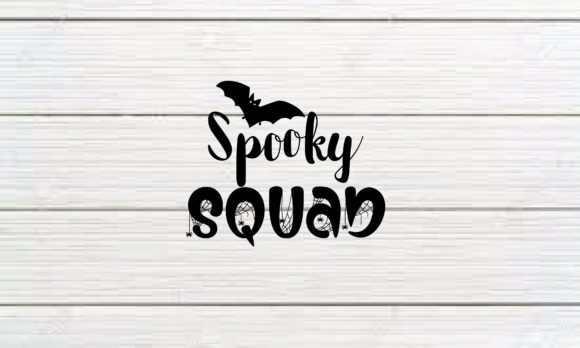
When you first load the Spooky Squad design, the immediate takeaway is its cohesive theme. It captures the playful, slightly mischievous vibe of Halloween without leaning too heavily into horror. For a machine embroidery design, this balance is crucial. If it is too scary, you limit your audience to niche enthusiasts. If it is too generic, it loses character. This design strikes a sweet spot that feels perfect for personalized gift items like baby onesies, toddler sweatshirts, or festive kitchen towels.
The layout suggests a group dynamic, which naturally lends itself to applique design techniques or multi-color fill stitches. Visually, the shapes are distinct enough to be recognizable even when stitched with standard polyester threads. The mood is lighthearted, making it highly versatile for holiday decor, nursery accents, or casual custom apparel. It does not feel cluttered, which is a common pitfall in group-themed designs where too many elements compete for attention.
Real-World Application Scenarios
Let’s talk about where this embroidery file actually shines. I visualized Spooky Squad being used on a variety of substrates, and the results were promising for specific use cases.
- Tote Bag Design: The bold nature of the squad concept works exceptionally well on canvas tote bags. When paired with a contrasting thread color, the design pops against the neutral fabric, creating a statement piece that shoppers gravitate toward during the autumn season.
- Sweatshirt Embroidery: For cozy fall wear, placing this design on the chest of a crewneck sweatshirt offers a balanced aesthetic. The weight of the hoodie fabric can support the stitch density required for the fill areas, ensuring the design doesn’t pucker or distort.
- Baby Embroidery: On soft cotton blends, such as burp cloths or bibs, the playful characters read as adorable rather than chaotic. This is ideal for holiday embroidery gifts aimed at new parents.
- Embroidered Patch: The self-contained nature of the group makes it a prime candidate for a detachable patch. You could create a border around the squad, allowing customers to iron or sew it onto denim jackets or backpacks.
In terms of brand consistency, using a cohesive set like Spooky Squad helps small shop owners maintain a unified look across their listings. Whether you are selling a single item or a bundle, the visual language remains consistent, which builds trust with buyers looking for quality handmade products.
Technical Considerations and Stitch Analysis
While the visual appeal is strong, any seasoned embroiderer knows that screen appearance differs from stitched reality. Here is how Spooky Squad performs technically.
The design relies heavily on fill stitch for the main bodies of the characters, which provides good coverage but requires careful hooping to prevent fabric distortion. The edges appear to utilize satin stitch for clean definition, which is essential for maintaining sharp corners and preventing fraying over time. However, designers must pay close attention to the stitch density. If the density is too high for delicate fabrics like thin cotton or silk, the underlying texture may show through, ruining the drape of the garment.
I also noticed that the design includes smaller details that could benefit from running stitch accents. These fine lines add personality but can be lost if the wrong thread weight is used. For best results, I recommend using a standard 40-weight polyester thread for the fills and perhaps a finer 60-weight thread for any tiny facial features or accessories. Always test the thread colors against your actual fabric stock, as monitor calibration can sometimes skew how dark or light a color appears.
Where to Use Spooky Squad Carefully
No design is universal, and there are specific scenarios where Spooky Squad might struggle. Understanding these limitations will save you time and material costs.
- Small Hoop Sizes: If you attempt to digitize or resize this design significantly down, you risk losing detail. Tiny lettering or small decorative accents may merge together, creating a muddy blob rather than a crisp image.
- Textured and Stretchy Fabrics: Avoid using this design on highly textured materials like bouclé wool or very stretchy jersey knits without proper stabilization. The uneven surface can cause needle deflection, leading to misaligned stitches.
- Curved Surfaces: While caps are popular, applying a large group design like this to a curved brim or front panel can be challenging. The design may need to be split or adjusted to follow the contour of the hat, otherwise, it will look warped.
- Dense Stitch Areas: Be cautious when stitching over seams or layered garments. Excessive layers combined with dense embroidery can create a stiff, uncomfortable patch that detracts from the wearability of the item.
Practical Designer Notes for Implementation
Before committing to a full production run or listing a finished product, follow these steps to ensure success.
First, always test the design on scrap fabric that matches the final substrate. This allows you to check the hoop size requirements and ensure the stabilizer choice is appropriate. A cut-away stabilizer is generally recommended for woven items like tote bag design projects to provide long-term support, while tear-away may suffice for temporary backing on stable knits.
Second, inspect the small details closely. Zoom in on the digital preview and look for any overlapping paths that might cause thread breaks. If the design includes complex curves, consider simplifying them slightly if you are working with older machines that struggle with rapid direction changes.
Third, verify the licensing terms. Since this is a digital embroidery file intended for commercial use, you must confirm whether you have the right to sell finished items made from Spooky Squad. Many designers assume all graphics allow resale, but some restrict commercial usage to specific tiers. Check the product description carefully to avoid legal issues.
Finally, think about the end-user experience. Will the finished product withstand frequent washing? Ensuring that the embroidery project is durable enhances customer satisfaction and reduces returns. Use proper finishing techniques, such as trimming excess stabilizer and cleaning up jump stitches, to present a polished finished product that reflects well on your brand.
In conclusion, Spooky Squad is a solid addition to any crafter’s library for seasonal projects. It offers a blend of charm and versatility that works well for both personal hobbies and craft business ventures. By paying attention to fabric selection, stitch settings, and licensing, you can turn this digital asset into a profitable and loved handmade product.