Peanut Butter and Jelly BFF Embroidery Review
As a designer who spends more time than I care to admit staring at stitch density charts and debating thread color palettes, I approach every new machine embroidery design with a mix of excitement and skepticism. The market is flooded with generic clipart converted into digitized files, but occasionally, something comes along that feels genuinely thought out for the craft. That is exactly how I felt when I first evaluated the Peanut Butter and Jelly BFF graphic. It isn’t just another cute clip art file; it has a specific visual personality that demands careful consideration before it hits the hoop.
This review focuses on the practical application of this Graphics category item within the broader Crafts industry. Whether you are an Etsy seller looking for your next best-selling listing or a hobbyist preparing a heartfelt gift for a sibling pair, understanding how this design translates from screen to fabric is crucial. Let’s break down the real-world performance of the Peanut Butter and Jelly BFF matching shirt designs.
First Impressions: Mood and Visual Personality
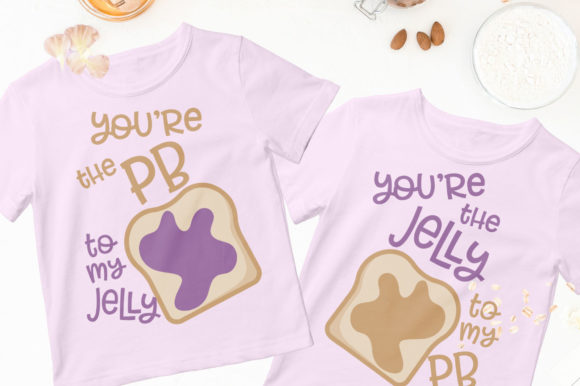
The immediate appeal of the Peanut Butter and Jelly BFF lies in its nostalgic warmth. It taps into a universal childhood memory—the quintessential lunchbox staple—while framing it through the lens of modern friendship culture. Visually, the layout balances whimsy with clarity. The concept of "Matching Peanut Butter and Jelly Best Friends Shirt Designs" suggests a complementary relationship between the two elements, which is a smart narrative hook for buyers.
From a design perspective, the shapes are clean enough to translate well into digital formats, but they also possess enough character to stand up to the rigors of embroidery. The theme doesn’t feel forced or overly complex. Instead, it offers a straightforward, recognizable iconography that works exceptionally well for custom apparel. When you see the mockup, you immediately understand the product value: it is about connection, fun, and shared identity. This emotional resonance is what drives engagement in craft business listings and social media shares.
Real-World Application: Where Does It Shine?
I recently tested the potential of this design by conceptualizing a boutique collection for a local craft fair. The Peanut Butter and Jelly BFF design proved versatile across several product categories, though some applications were clearly stronger than others.
- Sweatshirt Embroidery: This is perhaps the strongest use case. The cozy nature of a sweatshirt pairs perfectly with the comfort-food theme. Placing the design on the chest or back creates an instant conversation starter. The bold lines of the sandwich bread imagery hold up beautifully against the textured fabric of cotton blends.
- Tote Bag Design: For the Etsy seller targeting students or young adults, a canvas tote featuring this motif is a natural fit. It reinforces the "lunchtime" aesthetic while serving a functional purpose. The durability of canvas allows for slightly denser stitching without pilling concerns.
- Baby Embroidery: Think of onesies or bibs for twins or close-in-age siblings. The "BFF" angle is adorable here, turning a simple outfit into a personalized gift that parents love to photograph and share online.
- Kitchen Towels and Aprons: For the home cook, this design adds a touch of humor to the kitchen. It fits seamlessly into the world of holiday embroidery, particularly around Thanksgiving or Christmas when gifting food-related items is common.
In these scenarios, the embroidery project feels cohesive. The design doesn’t fight the medium; it embraces it. The resulting finished product looks professional and intentional, elevating the perceived value of the handmade item.
Technical Challenges and Fabric Considerations
However, no design is perfect, and as a reviewer, I must highlight where the Peanut Butter and Jelly BFF might present challenges depending on your equipment and material choices.
Hoop Size and Detail Resolution: If you attempt to digitize or embroider this design in a very small hoop size, you risk losing definition. The intricate details of the sandwich layers or the textural elements of the peanut butter and jelly spread can become muddy if the stitch count is too high for the available space. Always check the recommended hoop size provided by the creator. If you are working with a limited machine setup, test this design on scrap fabric first to ensure the small details remain distinct.
Fabric Texture and Stability: The choice of fabric plays a massive role in the final look. On smooth, tightly woven fabrics like standard t-shirt cotton, the design will pop. However, on highly textured fabrics like heavy fleece or loosely woven linen, the edges may appear jagged unless you use a high-quality cut-away stabilizer. Furthermore, be cautious with stretchy fabrics. While jersey knit is common for t-shirts, excessive stretching during stitching can distort the circular or rounded elements of the bread slice design. A tear-away stabilizer might not provide enough support for delicate curves.
Thread Color Contrast: The success of this design hinges on color theory. You cannot simply pick random threads. To achieve the authentic look, you need accurate shades of golden yellow for the peanut butter, deep purple or red for the jelly, and warm beige for the crust. Poor color choices will make the design look flat and unappealing. Test your thread colors against your actual fabric under natural lighting conditions before committing to the full run.
Stitch Types and Density
While the specific technical specs depend on the source file, a well-executed version of this design should utilize a mix of satin stitch for outlines and lettering, and fill stitch for the solid areas of the bread and spreads. Pay attention to the stitch density. If the fill is too dense, the fabric may pucker, especially on lightweight materials. Conversely, if it is too sparse, the backing material might show through, giving a cheap appearance. Inspect the design file closely for any unnecessary jumps or trims that could complicate your workflow.
Strategic Advice for Sellers and Makers
If you are planning to sell products featuring the Peanut Butter and Jelly BFF design, presentation is key. In the digital age, your printable mockup is often more important than the physical sample. Ensure your mockups showcase the design on various garments to help customers visualize the end result. Highlight the "matching" aspect in your descriptions, as this appeals strongly to groups buying gifts for each other.
Always confirm the licensing terms before selling finished items. Some digital embroidery files come with restrictions on commercial use. If you are unsure, reach out to the designer or stick to personal projects. Transparency builds trust with your audience and protects your small shop product line from legal issues.
Final Verdict
The Peanut Butter and Jelly BFF is a charming, commercially viable design that brings joy and nostalgia to any embroidery project. It works best on stable fabrics, in moderate hoop sizes, and with careful attention to color contrast. For the creative entrepreneur looking to add a touch of whimsy to their catalog, this design is a strong contender. Just remember to test thoroughly, respect the fabric’s limitations, and let the quality of your execution speak for itself. When done right, the result is not just an embroidered patch or shirt—it’s a wearable piece of friendship that customers will cherish.