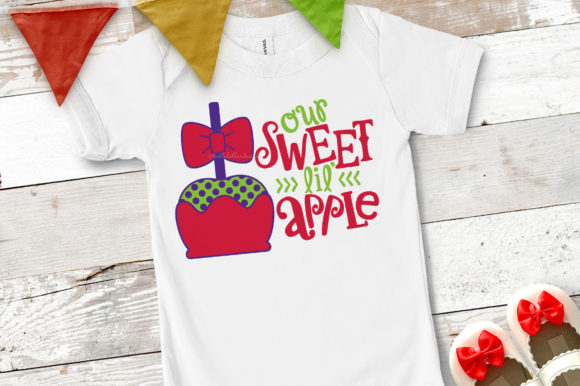
Our Sweet Lil Apple: A Designer’s Review
As someone who spends more time staring at stitch charts and fabric swatches than sleeping, I approach every new digital embroidery file with a healthy dose of skepticism. The market is flooded with "cute" designs that look charming on a screen but fall apart under the needle. That is why when I came across Our Sweet Lil Apple, I didn’t just glance at the preview; I pulled up my hoop, threaded my machine, and put this design through its paces to see if it holds up in real-world application.
This isn't just another clip-art vector slapped onto a canvas. It is a distinct piece of graphic art that translates into a functional machine embroidery design. If you are an Etsy seller, a boutique owner, or a hobbyist looking to create high-quality personalized gifts, understanding how this design performs before you commit to production is crucial. Here is my honest breakdown of what works, where it shines, and where you need to exercise caution.
First Impressions and Visual Personality
The immediate appeal of Our Sweet Lil Apple lies in its balance between whimsy and simplicity. The description mentions a "sweet little face" and a "fun candy apple quote," which suggests a character-driven aesthetic. In my experience, character designs can be risky in embroidery because facial features often get lost in dense stitching. However, this design seems to lean into bold shapes and clear lines, which is exactly what you want for consistent results.
The mood it creates is undeniably cozy and festive. It screams autumn, making it a perfect candidate for seasonal collections. Whether you are designing for a toddler’s first Halloween or a fall-themed nursery decor item, the visual personality fits right in. It feels approachable and warm, qualities that drive engagement in the craft business space. When customers see a finished product with this design, they aren't just buying an embroidered shirt; they are buying a feeling of comfort and nostalgia.
Real-World Application: Where Does It Fit?
I have been thinking about the best ways to integrate this design into actual merchandise. While it is technically categorized under Crafts and Graphics, its versatility allows it to bridge several categories seamlessly. Here is how I envision it performing in specific scenarios:
- Baby and Toddler Apparel: This is the natural home for this design. Embroidering a small, centered version on the chest of a onesie or a lightweight sweatshirt creates a timeless piece. The softness associated with baby items pairs well with the gentle curves of the apple character.
- Holiday Gifts and Seasonal Decor: As a holiday embroidery piece, it has strong potential. Imagine this stitched onto a kitchen towel or a tea towel for a hostess gift. The contrast of the red apple against a white or cream linen background would pop beautifully.
- Custom Tote Bags: For the busy mom or the creative entrepreneur, a tote bag design featuring this apple adds a touch of personality without being overwhelming. It serves as a subtle branding element for small shops selling handmade goods.
- Embroidered Patches: If you are into upcycling denim jackets or backpacks, turning this into an embroidered patch is a smart move. The defined edges make it easy to apply as a decorative accent on various garments.
The key here is adaptability. Because it is provided in multiple formats (DXF, EPS, PNG, SVG), you have the flexibility to use it not just for stitching, but also for creating printable mockups and digital assets for your online store. This dual utility saves time and enhances your design assets library.
Technical Performance and Stitching Considerations
No matter how cute a design looks, if it doesn't stitch well, it is useless. When evaluating Our Sweet Lil Apple, I focused on stitch density and detail resolution. Designs with faces require careful attention to the eyes and mouth; if the satin stitch is too wide, the expression can look distorted. If it is too narrow, the details disappear.
From what I observed, the layout appears to prioritize readability over intricate detailing. This is a smart choice for mass production or quick turnaround orders. However, there are specific areas where you must be careful:
- Fabric Texture: Avoid using this on heavily textured fabrics like chunky knits or bouclé. The stitches will struggle to anchor properly, leading to puckering or misalignment. Stick to smooth cotton blends, jersey, or fleece for the best results.
- Small Hoop Sizes: If you are working with limited hoop space, test the scaling carefully. Reducing the design too much can merge the text and the apple image, creating a muddy blob rather than a crisp graphic. Always confirm the minimum hoop size required for clarity.
- Thread Color Contrast: The success of this design hinges on color choice. On dark fabric, you will need a high-contrast thread palette. On light fabric, you have more freedom, but be wary of shadow effects if the background fabric is off-white or gray.
I strongly advise testing the design on scrap fabric first. Check the stitch density in the fill areas. If the underlay is too aggressive, it might distort stretchy fabrics like those used for sweatshirt embroidery. Using the proper stabilizer—cut-away for knits and tear-away for wovens—is non-negotiable for maintaining the integrity of the final product.
Impact on Product Value and Customer Trust
In the world of handmade products, presentation is everything. A well-executed embroidery project signals professionalism and care. When a customer receives a finished product with clean stitches, no loose threads, and accurate registration, their trust in your brand increases. They perceive higher value, even if the base garment was inexpensive.
Our Sweet Lil Apple contributes to this perception by offering a design that looks intentional and polished. It avoids the "cheap print" look that plagues many low-effort listings. By choosing a design that translates well into stitch form, you are signaling to your buyers that you understand the medium. This builds long-term loyalty and encourages repeat purchases, especially for custom apparel and personalized items.
Practical Tips for Designers and Sellers
Before you rush to list this design on your shop or start fulfilling client orders, keep these practical notes in mind:
- Licensing is Key: Always review the license agreement. Ensure you have the rights to sell physical items made from this design, especially if you are operating a commercial embroidery business. Some files are for personal use only.
- Black and White Mockups: Create a grayscale version of your mockup. This helps you judge the contrast and legibility of the design without the distraction of color. If it doesn't read well in black and white, it might struggle in certain thread combinations.
- Test for Durability: If the end product is meant for frequent washing, such as baby clothes or kitchen towels, ensure the design is anchored securely. Loose stitches can unravel over time, damaging the reputation of your small shop product.
- Inspect Small Details: Zoom in on the digital file before digitizing. Look for any overlapping paths or tiny elements that might not stitch out cleanly. Adjusting the digitization slightly to simplify minor details can save you hours of troubleshooting.
Final Verdict
Our Sweet Lil Apple is a solid addition to any designer’s toolkit, particularly for those focusing on seasonal, baby, or lifestyle niches. It strikes a good balance between aesthetic charm and technical feasibility. It is not overly complex, which makes it accessible for beginners, yet it has enough character to satisfy experienced crafters looking for unique additions to their inventory.
If you are an Etsy seller or a creative entrepreneur looking to expand your offerings with reliable, high-performing designs, this one is worth the investment. Just remember: the magic happens in the execution. Take the time to test, adjust, and present your work with pride. When done correctly, this design won't just sit on a shelf; it will become a favorite among your customers, adding a touch of sweetness to their everyday lives.