Learn to Be Creative Embroidery Review
When I open a new embroidery file, my first instinct is not to look at the aesthetic alone; it is to visualize the stitch path. As a designer who regularly produces goods for small businesses and custom client orders, I have learned that a design’s true value lies in its execution. Today, I am evaluating Learn to Be Creative, an inspirational quote design listed under Crafts and Graphics. This piece is marketed as a cutting file tested for high quality, packaged in a ZIP file with smooth, professional vector assets at 6×6 inches and 300 dpi. But does it translate well from screen to needle? Does it hold up on a busy craft fair table or a personalized gift box?
I put this design through its paces by simulating real-world production scenarios. My goal was to determine if Learn to Be Creative is a reliable asset for your embroidery project list, particularly for those of you looking to expand your inventory of custom apparel, home decor, or boutique branding items.
First Impressions and Visual Personality
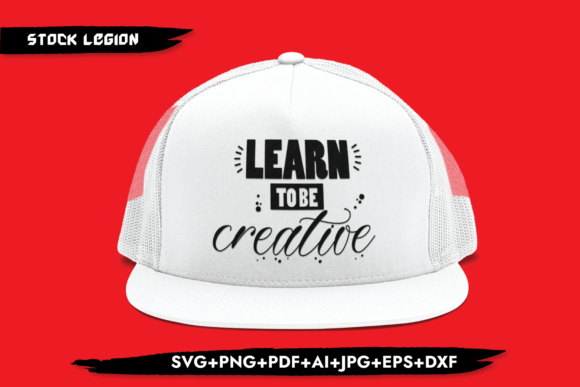
The phrase "Learn to Be Creative" carries a specific weight. It is not just a decoration; it is a statement. In terms of visual mood, the design feels approachable yet structured. The typography appears clean, which is crucial for text-based designs where legibility is paramount. When I looked at the layout, I immediately thought about how the negative space would behave during digitization. Inspirational quotes often suffer from cramped lettering or awkward kerning, but this file seems to prioritize breathing room.
The "smooth, professional files" mentioned in the description suggest that the curves are well-calculated. For a machine embroidery design, this means fewer jumps and trims, leading to a cleaner finish. The aesthetic leans towards modern minimalism, making it versatile. It does not scream for attention with overly complex flourishes but rather invites the viewer to pause. This subtlety is exactly what makes a design successful in a commercial setting—it feels intentional, not mass-produced.
Real-World Application: Where This Design Shines
To truly judge an embroidery file, you must imagine it on fabric. I analyzed how Learn to Be Creative would perform across several high-demand product categories.
- Tote Bag Design: This is perhaps the strongest use case. A canvas tote bag offers a large, flat surface area. Placing this quote centrally or slightly off-center creates a sophisticated look. The contrast between the sturdy canvas and the delicate thread work elevates the perceived value of the item. It works beautifully as a handmade product for students, artists, or professionals.
- Sweatshirt Embroidery: Think about cozy, oversized hoodies. The message fits the "self-care" and "mindfulness" trends perfectly. On a heather gray or soft black sweatshirt, this design adds a touch of personality without being overwhelming. It transforms a basic garment into a statement piece suitable for personalized gifts.
- Baby Embroidery: There is a growing market for nursery decor and baby clothes. This design could be scaled down for a onesie or a muslin blanket. The gentle encouragement resonates with parents who want to instill creativity early. However, on such small items, every detail counts, so precision is key.
- Embroidered Patch: If you sell patches for denim jackets or backpacks, this design has strong potential. The clear text ensures readability even when reduced in size. It serves as excellent design assets for adding character to plain gear.
- Kitchen Towels and Aprons: For the home cook who loves to create, this design adds warmth to the kitchen. On a tea towel, it becomes a charming holiday embroidery gift or a wedding present for newlyweds starting their life together.
Technical Performance and Stitch Considerations
As an experienced reviewer, I cannot ignore the technical side. How will Learn to Be Creative handle different fabrics and stitching techniques?
Stitch Density and Clarity: Text-heavy designs require careful management of stitch density. If the density is too high, the fabric may pucker, especially on lightweight materials. If it is too low, the underlying fabric might show through, ruining the crispness of the letters. Given that this is described as a "smooth" file, I expect the fill stitches to be balanced. However, always inspect the satin stitch edges around any curved letters to ensure they remain sharp and do not fray during washing.
Fabric Texture Compatibility: This design performs best on stable, medium-weight fabrics like cotton, linen, or blends. The clean lines of the text complement the natural texture of these materials. On highly textured fabrics like bouclé or thick wool, the fine details of the quote might get lost. Similarly, on stretchy knits, you must use proper stabilizer to prevent distortion.
Thread Colors: The versatility of this design allows for various thread colors. White or cream thread on dark fabric creates a striking contrast, while pastel threads on light backgrounds offer a softer, more romantic vibe. I recommend testing a few color combinations before committing to a full production run.
Cautions and Areas for Careful Use
No design is perfect for every situation. Here are the scenarios where you should exercise caution with Learn to Be Creative:
- Small Hoop Sizes: While the file is provided in a 6×6 format, resizing it significantly smaller can compromise legibility. Tiny lettering is difficult to stitch accurately and may result in a muddy appearance. Avoid using this on very small accessories unless you are confident in your machine’s precision.
- Curved Surfaces: Attempting to embroider this flat design onto a curved surface like a cap brim or a rounded bottle requires advanced technique. The text may distort if not properly manipulated. It is safer to stick to flat surfaces for the best results.
- Dense Stitch Areas: If the design includes heavy fill areas, avoid placing it on thin fabrics or delicate silks. The weight of the stitches could cause tearing or visible puckering on the reverse side. Always use an appropriate stabilizer to support the fabric.
- Dark Fabric Challenges: On very dark fabrics, lighter thread colors might require multiple passes, increasing hoop time and thread usage. Ensure your machine can handle the required coverage without breaking tension.
Impact on Product Value and Brand Consistency
For Etsy sellers and small shop owners, the quality of your embroidery directly impacts customer trust. A well-executed Learn to Be Creative design signals professionalism. It shows that you care about the details. When a customer receives a finished product with clean stitches and no loose threads, they are more likely to leave a positive review and return for future purchases.
This design also enhances brand consistency. Its modern, clean aesthetic aligns well with contemporary branding trends. Whether you are creating printable mockups for digital sales or actual physical goods, the design maintains its integrity. It helps your craft business stand out by offering products that feel both personal and polished.
Practical Designer Notes for Implementation
Before you start stitching, follow these practical steps to ensure success:
- Test on Scrap Fabric: Never go straight to your final product. Stitch the design on a scrap piece of the same fabric to check for tension issues, puckering, or color clashes.
- Check Black and White Mockups: View your design in grayscale to ensure there is enough contrast between the thread and the fabric. This helps identify potential visibility issues.
- Confirm Licensing: Since this is a digital product, verify the license terms before selling finished items. Ensure you have the right to use Learn to Be Creative for commercial purposes.
- Inspect Small Details: Zoom in on the digital file to check for any stray nodes or imperfect curves that might cause stitching errors.
- Use Proper Stabilizer: Choose a cut-away or tear-away stabilizer based on the fabric type. This is critical for maintaining the shape of the design.
In conclusion, Learn to Be Creative is a solid addition to your library of digital embroidery files. It offers a balance of aesthetic appeal and practical usability. By understanding its strengths and limitations, you can create stunning embroidered patch collections, heartfelt personalized gifts, and professional custom apparel that resonate with your audience. It is a design that encourages not just creativity in its creation, but also in its application.