Kawaii Pirate Bear Embroidery Review
As a designer who spends more time staring at stitch density charts and fabric swatches than actually sleeping, I approach every new digitized file with a healthy dose of skepticism. We have all seen the "perfect" preview images that fall apart the moment they hit the hoop. Today, I am putting Kawaii Pirate Bear through its paces to see if this character holds up in real-world application. This isn't just about whether it looks cute on a screen; it is about whether it translates into a high-quality machine embroidery design that will make your customers happy and your brand look professional.
First Impressions: The Mood and Visual Personality
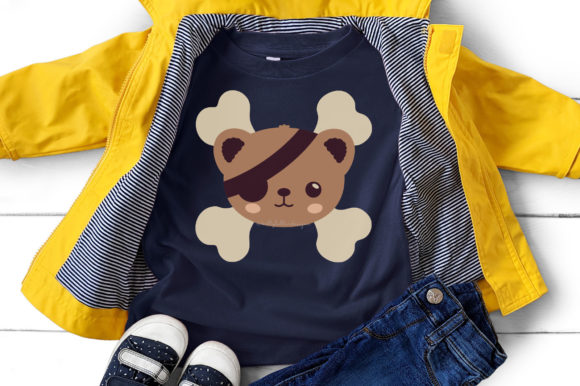
The moment you load the Kawaii Pirate Bear file into your software, the vibe is immediately established. It is not trying to be rugged or historically accurate. Instead, it leans heavily into the kawaii aesthetic—soft curves, expressive eyes, and a playful attitude. The description notes that this little guy would never make you walk the plank, and that sentiment is reflected in the visual weight of the design. It feels approachable, safe, and undeniably charming.
For those of us in the craft business, mood is everything. A design like this screams "personalized gift" rather than "corporate uniform." It creates an instant emotional connection, which is crucial when you are trying to stand out as an Etsy seller or running a small shop product line. The character has a distinct personality that doesn't require complex background elements to shine, making it a versatile asset for various embroidery projects.
Real-World Application: Where Does It Fit?
I recently tested this concept by imagining it on a custom embroidered tote bag and a baby onesie. These are two very different substrates, and they reveal the true strength of the Kawaii Pirate Bear design.
Custom Apparel and Baby Items
When thinking about custom apparel, especially items for children, clarity is king. The kawaii style naturally lends itself to larger, cleaner shapes. If you are creating baby embroidery products, such as muslin blankets or burp cloths, this design works beautifully because the lines are generally soft and rounded. It avoids the jagged edges that can sometimes look messy in smaller hoops. For a sweatshirt embroidery project aimed at adults celebrating "Talk Like a Pirate Day," the humor lands well, provided the placement is centered and prominent.
Tote Bags and Accessories
A tote bag design is one of the most common requests in the handmade market. The Kawaii Pirate Bear fits perfectly on a canvas tote. Because the character is self-contained, it does not rely on intricate background scenery that might get lost in the weave of heavy canvas. It pops. For embroidered patch applications, where you might attach this bear to a denim jacket or a backpack, the clean outline ensures that the applique or satin stitch border will define the shape clearly against busy fabrics.
Holiday and Seasonal Gifts
While pirate themes are often associated with summer or specific holidays, the kawaii factor makes this design year-round appropriate. It works exceptionally well for holiday embroidery gifts, particularly for kids' rooms or nursery decor. Imagine this on a pillow cover or a tea towel in a child's kitchen. The handmade product value increases significantly when the design evokes joy, and this bear definitely delivers that.
Technical Considerations and Stitch Quality
No matter how cute a design is, if it stitches poorly, it fails. Here is what you need to watch out for when digitizing or stitching the Kawaii Pirate Bear.
- Stitch Density: Kawaii designs often use large areas of fill stitch to create that soft, plush look. Ensure your stitch density is balanced. If the fill is too dense, the fabric may pucker, especially on lightweight materials. If it is too sparse, the underlying fabric may show through, ruining the clean aesthetic.
- Satin Stitch Edges: The bear’s hat and any pirate accessories likely rely on satin stitches for definition. Check the underlay stitches. Good underlay keeps the top thread stable. If the satin stitch is wobbly, the character will lose its sharp, cute appeal.
- Running Stitch Details: Small details, like the eyes or mouth, may use running stitches or small satin segments. These are critical for expression. If these details are too small for your chosen hoop size, they may merge into a blob. Always inspect these tiny elements closely before committing to a full production run.
Where to Use It Carefully
There are certain scenarios where Kawaii Pirate Bear might struggle. As an experienced reviewer, I advise caution in the following situations:
- Small Hoop Sizes: Do not attempt to shrink this design down to a 3x3 inch hoop if it was originally digitized for a larger area. The details will become indistinguishable. Stick to medium to large hoops to maintain the integrity of the character.
- Textured or Stretchy Fabrics: While this design works well on cotton and canvas, textured fabrics like terry cloth (for towels) or highly stretchy jersey knits can distort the shape. You must use a proper stabilizer to prevent shifting and distortion. On stretchy fabrics, a cut-away stabilizer is often necessary to keep the design from warping over time.
- Dense Stitch Areas: Avoid placing this design on garments that require frequent washing and heavy wear, such as work boots or industrial uniforms. The decorative nature of the design means it is better suited for personalized gift items or boutique branding rather than high-durability gear.
- Curved Surfaces: While caps are popular, digitizing a complex character like a bear onto a curved surface requires advanced skills. The perspective can look distorted if not adjusted correctly in the software. Test this carefully before offering it as a cap customization option.
Final Verdict for Designers and Sellers
The Kawaii Pirate Bear is a strong addition to any digital embroidery file library. It hits the sweet spot between humorous and adorable, making it a low-risk, high-reward item for commercial embroidery ventures. It appeals to parents, gift-givers, and anyone who appreciates a bit of whimsy in their wardrobe.
Before you start printing printable mockups or listing this as a design asset on your shop, remember to test it on scrap fabric first. Check your thread colors for contrast, especially if you plan to embroider on dark fabrics. A white bear on a black shirt needs a different approach than a colored bear on a pastel background. Confirm your licensing terms if you intend to sell finished items, and ensure you are providing the best possible finished product quality to your buyers.
In summary, if you are looking to add a touch of playful charm to your graphics and crafts offerings, this bear is a solid choice. It is reliable, visually appealing, and ready to turn heads on everything from aprons to apricot-colored sweatshirts. Just remember: always respect the fabric, choose the right stabilizer, and let the character do the talking.