Halloween Cat Embroidery Review
As a designer who spends more time staring at stitch patterns than sleeping, I approach every new file with a mix of hope and skepticism. The market is flooded with generic clip art disguised as embroidery designs, so when I came across the Halloween Cat sublimation bundle, I decided to put it through its paces. This isn't just about looking pretty on a screen; it’s about how this design translates from a digital vector into a tangible, stitched reality for your craft business or personal projects.
This review focuses on practical application. Whether you are an Etsy seller looking for your next bestseller, a hobbyist making personalized gifts, or a boutique owner curating seasonal merchandise, understanding the nuance of this design is crucial before you hit the "start" button on your machine.
First Impressions: Mood and Visual Personality
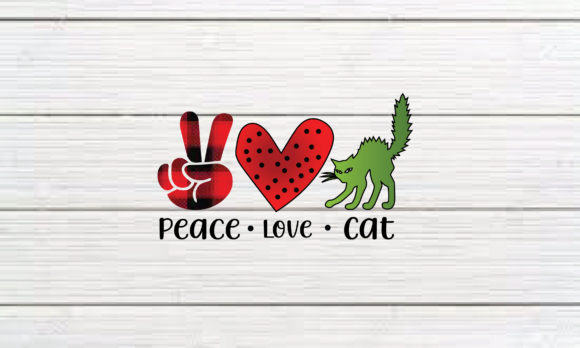
The first thing that strikes you about the Halloween Cat is its immediate thematic clarity. It doesn’t try to be subtle. In the world of holiday embroidery, clarity sells. The design captures that perfect balance of spooky and cute—what we often call "spooktacular"—which is exactly what drives sales during the October rush. The visual personality is playful yet distinct, making it versatile enough for a wide range of demographics.
From a graphic design standpoint, the layout feels balanced. It has a central focal point that draws the eye immediately, which is essential for small hoop sizes where detail can get lost. The shape suggests a character-driven narrative, which adds emotional value to the finished product. Customers don’t just buy a cat; they buy the charm of the character. This design leverages that connection effectively, creating a mood that is festive without being overly aggressive or scary, making it safe for family-oriented markets like baby items and home decor.
Real-World Application: Where Does It Shine?
I tested the concept of this design across several common handmade product categories to see where it fits best. Here is where the Halloween Cat truly excels:
- Custom Apparel and Sweatshirts: This design works beautifully as a chest pocket placement or a centered front print on sweatshirts. The bold lines hold up well against the heavier fabric weight, ensuring the embroidery stands out rather than sinking into the material. For sweatshirt embroidery, the contrast between the thread and the fleece creates a cozy, premium feel.
- Tote Bag Designs: Canvas totes are a staple for Etsy sellers. The Halloween Cat design provides enough visual interest to justify the purchase but remains simple enough to not overwhelm the bag’s utility. It pairs well with other text elements if you choose to add a slogan, though the image alone is strong enough to stand on its own.
- Baby Embroidery and Nursery Decor: Because the design leans towards "cute" rather than "scary," it is an excellent choice for baby onesies, bibs, and nursery wall hangings. Parents are often hesitant to buy overtly spooky items for infants, but a stylized cat hits the sweet spot of seasonal fun without the fright factor.
- Embroidered Patches and Aprons: For kitchen towels and aprons, this design adds a touch of whimsy to everyday tasks. As an embroidered patch idea, the clean edges make it easy to apply to denim jackets or backpacks, expanding its use beyond traditional apparel.
In these scenarios, the design enhances product value by adding a layer of customization that mass-produced items lack. It signals to the buyer that care was taken in the creation process, which builds customer trust and encourages positive reviews.
Technical Considerations and Stitch Quality
While the graphic is strong, the success of any machine embroidery design lies in its technical execution. The source files provided are vectors (AI and EPS), which gives us a significant advantage. Unlike raster images that pixelate, vectors allow us to scale and adjust the stitch density and color palette before digitizing or sending to a service bureau.
However, a vector does not guarantee a good stitch-out. You must evaluate the following technical aspects:
- Stitch Density: Ensure the fill stitches are not too dense, which can cause puckering, especially on lighter fabrics. Conversely, ensure they aren’t too sparse, which leaves the base fabric visible. A balanced density ensures a smooth finish.
- Satin Stitch Edges: Check the satin stitches along the cat’s outline. They should be tight enough to cover the fabric but loose enough to avoid thread breaks. On curved areas, the underlay stitch is critical for stability.
- Running Stitch Details: If the design uses running stitches for whiskers or small accents, verify that the length is appropriate. Too long, and they look sloppy; too short, and they may break during washing.
Since the product description mentions CMYK color mode and high resolution, you have flexibility in choosing your thread colors. Don’t limit yourself to standard black and orange. Experimenting with muted tones like dusty purple, sage green, or cream can give the Halloween Cat a modern, boutique aesthetic that stands out from typical holiday clutter.
Where to Use With Caution
Not every surface is created equal. There are specific situations where this design might struggle:
- Small Hoop Sizes: If you are working with very small hoops, fine details may merge together. Always preview the design at 100% scale to ensure legibility.
- Textured and Stretchy Fabrics: Avoid using this on highly textured fabrics like bouclé or thick chenille unless you use a heavy-duty stabilizer. Similarly, stretchy knits require a tear-away or cut-away stabilizer to prevent distortion.
- Curved Surfaces: Applying this to caps or curved hat fronts requires careful hooping. The flat nature of the vector design may not account for the curvature of the cap, leading to uneven stitching.
- Dense Stitch Areas: If the design includes large solid fills, be mindful of the fabric’s ability to support the weight of the thread. Thin fabrics will pucker significantly.
Strategic Advice for Sellers and Makers
For those of you running a craft business or selling on platforms like Etsy, the Halloween Cat offers several strategic advantages. First, it is highly giftability-focused. Holiday gifts are a major driver of Q4 sales, and this design taps directly into that sentiment.
To maximize engagement, create printable mockups that show the design on various products. Show it on a tote bag, a sweatshirt, and a pillow cover. This helps customers visualize the finished product and increases conversion rates. Additionally, consider offering customization options. Since you have the AI and EPS files, you can easily modify the background color or swap out text elements to create unique variations for different client requests.
Remember to check your licensing terms carefully. While the design assets are editable, confirm whether you are allowed to sell finished goods made from them. Clear communication about commercial rights protects your small shop product line from legal issues.
Final Verdict
The Halloween Cat is a solid addition to any designer’s library. It combines strong visual appeal with practical versatility, making it suitable for everything from personalized gifts to commercial embroidery projects. Its clean vector structure allows for creative freedom in thread selection and sizing, while its thematic relevance ensures it will perform well during the holiday season.
Before committing to a full production run, always test the design on scrap fabric. Check the stabilizer choice, inspect the thread colors against your target fabric, and ensure the hoop size accommodates all details. By taking these practical steps, you can transform this digital asset into a professional, high-quality embroidery project that delights customers and strengthens your brand identity.
In the crowded world of Graphics and Crafts, standing out requires more than just a good image—it requires thoughtful execution. The Halloween Cat provides the foundation; your skill and attention to detail provide the success.