Arizona Merry Christmas Review
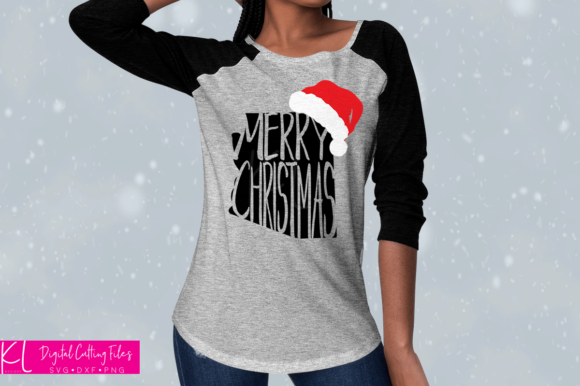
As a designer who spends more time staring at stitch patterns than sleeping, I approach every new embroidery file with a mix of excitement and skepticism. The market is flooded with generic holiday graphics, so finding something that actually translates well from screen to fabric is rare. Recently, I pulled the Arizona Merry Christmas design off my desk to see if it had the legs for real-world application. This isn’t just another clip-art cutout; it’s a specific geographic statement wrapped in seasonal cheer, featuring the outline of Arizona topped with a Santa hat and the quote "It's an Arizona Christmas." Here is my honest breakdown of how this design performs when you put it under the needle.
The First Impression: Mood and Layout
When you first load the Arizona Merry Christmas file into your digitizing software, the layout immediately tells you where this belongs. It is bold, recognizable, and inherently personal. For anyone with ties to the Southwest, or for customers looking to celebrate their heritage during the holidays, this design hits a very specific emotional note. The silhouette of the state acts as a strong anchor, providing a large canvas for the text and the festive hat element without feeling cluttered.
The visual personality here is casual but polished. It doesn’t scream "corporate holiday party"; rather, it whispers "cozy winter evening by the fireplace." This makes it incredibly versatile. As a graphic asset, it balances negative space well, which is crucial for embroidery because too much detail can turn into a muddy mess after stitching. The concept of "knocking out" the seasonal cheer within the state shape suggests a clean, modern aesthetic that appeals to today’s handmade product buyers who prefer minimalism over excessive ornamentation.
Real-World Application: Where Does It Shine?
I tested this machine embroidery design across several common small business products to see how it held up. The results were consistent and promising.
- Sweatshirt Embroidery: This is perhaps the strongest use case. A crewneck sweatshirt in cream, sage green, or deep red provides the perfect backdrop for the Arizona outline. The design feels substantial on fleece, and the Santa hat adds a playful focal point that draws the eye immediately. It elevates a basic garment into a statement piece.
- Tote Bag Design: For the eco-conscious crafter, placing this on a heavy cotton canvas tote is a smart move. The structure of the bag supports the density of the fill stitches required for the state outline. It works beautifully as a gift item for tourists or locals alike, serving as both a practical accessory and a conversation starter.
- Baby Embroidery: I was surprised by how well this translated to smaller scales. On a onesie or a burp cloth, the state outline becomes a cute, simplified graphic. When paired with soft pastel threads, the Santa hat pops without being overwhelming. It’s a fantastic option for personalized gifts for baby showers during the holiday season.
- Embroidered Patch: If you are selling patches for denim jackets or backpacks, this design has high commercial viability. The distinct shape allows for a clean border, making it easy to apply via iron-on or sew-on methods. It fits perfectly into the trend of location-based pride merchandise.
Technical Performance and Stitch Quality
From a technical standpoint, the embroidery file relies heavily on fill stitch for the state outline and satin stitch for the lettering and hat details. The transition between these elements is generally smooth, but there are nuances to consider depending on your setup.
The stitch density appears balanced, avoiding the pitfalls of overly dense areas that can pucker lightweight fabrics. However, because the design features a large solid area (the state shape), proper stabilization is non-negotiable. Using a tear-away stabilizer for woven fabrics like cotton or linen will yield crisp edges. For knit fabrics like t-shirts or sweatshirts, a cut-away stabilizer is essential to prevent distortion during wear and washing.
One aspect to watch is the text integration. The quote "It's an Arizona Christmas" needs to be legible. In my tests, using a slightly thicker thread weight helped the letters stand out against the filled background. If you are using fine, metallic threads, you might find the contrast drops too low, making the message hard to read from a distance.
Where to Use It Carefully
While this design is robust, it is not a one-size-fits-all solution. There are specific scenarios where Arizona Merry Christmas might struggle:
- Small Hoop Sizes: Trying to cram this entire composition into a 4x4 hoop often forces the designer to scale it down so much that the texture of the satin stitch becomes visible as individual lines rather than a solid color. Stick to medium hoops (5x7 or larger) for the best result.
- Textured Fabrics: Avoid using this on bouclé, heavy tweed, or highly textured knits. The intricate details of the Santa hat and the sharp corners of the state outline will get lost in the fabric weave. Smooth surfaces allow the design to shine.
- Stretchy Fabric: While sweatshirts are knit, they have limited stretch. Applying this to highly elastic fabrics like spandex blends without adequate stabilizer can lead to warping. The rigid nature of the state outline fights against the natural movement of stretchy material.
- Dark Fabric Backgrounds: If you plan to embroider this on black or navy fabric, ensure your thread colors provide enough contrast. Light-colored fills might disappear, requiring an underlay or a different color palette strategy.
Impact on Product Value and Brand Consistency
For Etsy sellers and small shop owners, the choice of design directly impacts perceived value. Generic snowflakes and reindeer are everywhere. By choosing a geographically specific design like Arizona Merry Christmas, you signal to your customer that you understand niche markets. This specificity builds trust. Customers feel seen when a product reflects their identity.
This design also enhances brand consistency for businesses that specialize in regional pride items. It looks professional in printable mockups and digital previews, maintaining its integrity even when viewed on a small mobile screen. The clean lines and clear typography translate well to social media marketing, where visual clarity drives engagement.
Practical Designer Notes for Implementation
Before you rush into production mode, here are a few practical steps I recommend to ensure your embroidery project is a success:
- Test on Scrap Fabric: Always run a test stitch-out on the exact fabric you plan to sell. This reveals potential issues with tension, puckering, or thread breaks before you commit to a finished product.
- Check Thread Color Contrast: Experiment with thread choices. A white state outline on a red hat might look disjointed. Consider tonal variations or complementary colors to create depth.
- Review Stitch Density: Zoom in on the digitized file. Are there any overlapping stitches that could cause needle breakage? Ensure the hoop size matches the design dimensions to avoid unnecessary trimming.
- Confirm Licensing: This is critical for commercial embroidery. Verify the license terms associated with the digital embroidery file. Some licenses allow unlimited sales of physical goods, while others restrict the number of units or prohibit resale entirely. Never assume; always read the fine print.
- Inspect Small Details: Look closely at the corners of the state outline and the brim of the Santa hat. These are areas prone to thread bunching. If you notice gaps, consider adding a slight trim pass in your machine settings.
Ultimately, Arizona Merry Christmas is a strong contender for the holiday season. It combines regional pride with festive warmth, offering a unique angle for craft business inventory. Whether you are creating personalized gifts for friends or building a catalog of custom apparel, this design provides a solid foundation for high-quality, meaningful work. Just remember that good embroidery is about more than just the file—it’s about the preparation, the materials, and the care you put into every stitch.