Always Happy Thinking Embroidery Review
As a designer who spends more time staring at stitch density charts and fabric swatches than I care to admit, I don’t just buy digital files; I evaluate them as potential products. When I first pulled up the Always Happy Thinking design, my initial reaction wasn’t about the quote itself, but about how it would translate from a flat screen into three-dimensional thread. In the world of machine embroidery design, there is a fine line between a cute graphic and a functional, high-quality finished product. After running through some mental simulations for various use cases, here is my honest breakdown of this file.
The First Impression: Mood and Layout
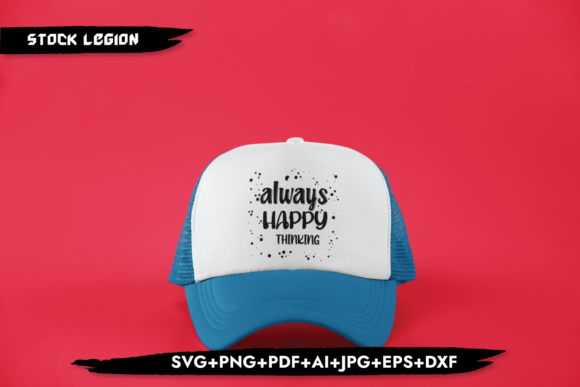
The title Always Happy Thinking suggests a positive, uplifting message that resonates well with current market trends. It feels approachable, warm, and distinctly modern. Visually, the layout appears balanced, avoiding the cluttered look that plagues many cheap clip-art style designs. For an embroidery file intended for commercial or personal use, clarity is king. This design seems to prioritize legibility, which is crucial because no matter how beautiful the font is on your monitor, if it becomes a muddy blob after stitching, the customer will be disappointed.
The visual personality of the piece leans towards clean lines and smooth curves. This is significant because complex, jagged edges often require excessive trimming and can fray over time, especially on items like tote bag design projects or sweatshirt embroidery where friction is common. The mood created here is one of casual optimism, making it suitable for a wide range of recipients, from busy moms to college students looking for personalized gift ideas.
Real-World Application: Where Does It Shine?
I spent some time imagining this design in actual production scenarios. The versatility of Always Happy Thinking is its strongest asset. It isn’t tied to a specific niche, which makes it a valuable asset for any craft business owner or Etsy seller looking to diversify their inventory without committing to a hyper-specific theme.
Consider a custom embroidered patch for a denim jacket or a backpack. The clean aesthetic works beautifully here, standing out against rugged textures. Alternatively, picture this on a soft cotton apron for a home baker or a cozy kitchen towel. The message fits perfectly in a domestic setting, adding a touch of charm to everyday routines. For baby embroidery, such as on muslin cloths or tiny hats, the gentle tone of the phrase is appropriate and endearing, appealing to parents who want something sweet but not overly cutesy.
I also see strong potential for holiday embroidery gifts. While not explicitly seasonal, the sentiment is universal enough to serve as a year-round bestseller. For small shop product lines, this could anchor a collection of matching mugs, tote bags, and apparel, creating a cohesive brand identity centered around positivity.
Technical Performance and Stitch Considerations
When evaluating a digital embroidery file, we have to talk about execution. How does it handle different fabrics? If you are planning to use this on a textured fabric like bouclé or heavy canvas, the design’s details might get lost. Smooth fabrics like jersey, fleece, or tightly woven cotton will yield the best results, allowing the stitch density to show off properly.
One critical factor is the contrast between the thread colors and the background fabric. On dark fabrics, you will need to ensure adequate underlay stitches to prevent the design from sinking into the material. Conversely, on light fabrics, the choice of thread color becomes even more important to maintain the crispness of the lettering. I always advise testing a small section of the design in black and white mockups before committing to a full run. This helps visualize the weight of the design and ensures that negative space is utilized effectively.
For those using this as part of a larger project, such as a pillow cover or a blanket, consider how the design interacts with the overall composition. It shouldn’t overwhelm the item but rather complement it. The balance in Always Happy Thinking suggests it can stand alone as a focal point or work harmoniously alongside other elements like simple borders or small icons.
Where to Exercise Caution
No design is perfect for every situation. There are specific scenarios where you should pause and reconsider using Always Happy Thinking:
- Small Hoop Sizes: If you are working with a limited hoop area, ensure the design fits comfortably without cutting off essential details. Crowding can ruin the visual impact.
- Stretchy Fabrics: While manageable with proper stabilizer, stretchy materials like spandex blends can distort the shape if the tension isn’t perfectly calibrated. Always test first.
- Curved Surfaces: Applying this to a cap or hat requires careful hooping techniques to avoid puckering. The curvature can alter the perspective of the text, so previewing the placement is vital.
- Dense Stitch Areas: If the design includes large fill areas, check the stitch direction to minimize bulk. Too much density can make a garment stiff and uncomfortable, particularly for custom apparel meant for daily wear.
- Frequent Washing: For items that will undergo heavy laundering, such as workwear or baby clothes, ensure the design is anchored well. Loose threads or poor edge finishing can lead to premature wear.
Design Assets and Commercial Viability
From a business perspective, the inclusion of multiple formats (SVG, PNG, PDF, JPEG) adds value beyond just the machine-readable file. These design assets allow you to create printable mockup images for your online store without needing to physically produce every variation. This is a huge time-saver for creative entrepreneurs who need to showcase their products digitally before manufacturing.
The transparency of the PNG and the vector nature of the SVG mean you can resize and adapt the graphic for non-embroidery uses, such as printing on cards or creating social media graphics. This multi-purpose utility increases the return on investment for the file. However, remember to check the licensing terms carefully. Just because you have the file doesn’t automatically grant you commercial rights to sell finished goods. Confirm whether you can sell physical items made with this design, as this varies by creator.
Final Verdict
Always Happy Thinking is a solid, well-conceived addition to any embroiderer’s library. It strikes a good balance between aesthetic appeal and practical application. It feels professional, timeless, and ready for the real world. Whether you are a seasoned pro looking to expand your commercial embroidery offerings or a hobbyist wanting to make meaningful personalized gifts, this design delivers.
My advice? Don’t just download and forget. Test it. Play with different thread colors, experiment with stabilizers, and see how it looks on the fabrics you love. That hands-on experience is what separates a good embroidery project from a great finished product. With a little care and attention to detail, Always Happy Thinking has the potential to become a staple in your creative workflow.